
Gambling attitudes across cultures Exploring diverse perspectives
Understanding Gambling in Western Cultures
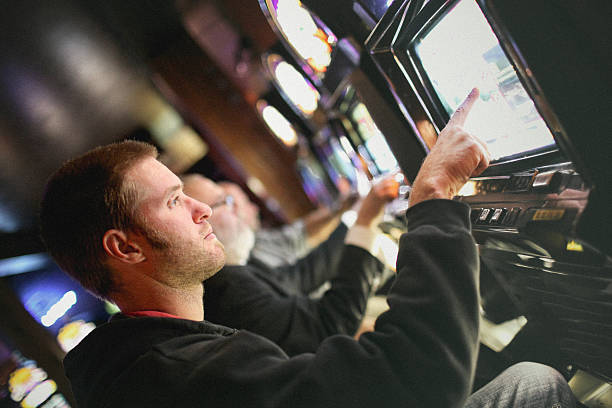
In many Western cultures, gambling is often viewed as a form of entertainment. The prevalence of casinos and online betting platforms highlights this attitude, as people frequently engage in gambling activities for leisure rather than necessity. This perspective is reinforced by media portrayals and celebrity endorsements, creating a sense of excitement and glamour around high-stakes gaming. Consequently, gambling is often associated with freedom and personal choice, reflecting a broader cultural acceptance of risk-taking behaviors. Many individuals seek out options that fit their preferences, such as paypal betting sites uk, to enhance their gaming experience.

In the United States, for example, Las Vegas epitomizes the allure of gambling, attracting millions of visitors who indulge in games of chance. This destination not only provides traditional casino games but also incorporates entertainment, dining, and shopping, enhancing the overall experience. The acceptance of gambling is further evidenced by numerous states legalizing various forms of betting, from sports to online casinos, which signifies a shift towards normalization in societal attitudes.
Conversely, in some European nations, the approach to gambling can be more restrained. Countries like Sweden and Norway have adopted stringent regulations around gambling, promoting responsible gaming and limiting access. This reflects a cultural emphasis on social responsibility, where gambling is not simply about leisure, but also about protecting individuals from potential addiction. Thus, while there is an underlying acceptance of gambling, the cultural nuances significantly influence how it is practiced and regulated.
The Influence of Eastern Cultural Perspectives
In many Eastern cultures, gambling carries complex social and historical connotations, often intertwined with spirituality and tradition. For example, in China, gambling is traditionally associated with wealth and luck, particularly during festivities such as the Lunar New Year. The popular game of Mahjong embodies this cultural significance, as families gather to play, reinforcing bonds and social ties. However, the government maintains strict controls over gambling, emphasizing a paradoxical relationship where it is revered yet regulated.
Japan presents a unique perspective on gambling with its own traditional games, such as Pachinko. This hybrid game blends elements of slot machines with arcade gaming, making it a cultural pastime. While gambling is generally frowned upon, the popularity of Pachinko parlors indicates a societal acceptance that exists beneath regulatory frameworks. Consequently, the Japanese attitude reflects a nuanced approach, where gambling is both a source of recreation and an avenue for economic activity.
In India, attitudes towards gambling vary greatly among different regions and communities. In some areas, betting is openly embraced during festivals and local sporting events, while other communities view it as taboo. This disparity often leads to an interesting blend of acceptance and resistance, demonstrating how cultural and religious beliefs shape public perception of gambling. The evolving landscape, especially with the rise of online gambling, suggests a gradual shift towards a more accepting attitude, reflecting changing societal values.
Middle Eastern Perspectives on Gambling
The Middle East presents a contrasting viewpoint on gambling, often heavily influenced by religious doctrines. In Islamic cultures, gambling is generally prohibited due to its association with chance and the potential for financial ruin. This ban creates a cultural narrative where gambling is seen not only as a vice but also as a moral failing. The cultural landscape is marked by a strict adherence to religious teachings, shaping public attitudes and perceptions of gambling.
Despite these prohibitions, underground gambling activities still exist, reflecting a human inclination to seek risk and excitement. In countries like Lebanon, where gambling laws are more lenient, casinos thrive, attracting both locals and tourists. This creates a duality where gambling is both condemned in principle yet practiced in certain contexts, illustrating the complex dynamics at play in Middle Eastern societies.
Furthermore, the rise of online gambling platforms has posed new challenges for traditional perspectives in the Middle East. These platforms often operate outside the reach of local laws, making it easier for individuals to engage in gambling without the scrutiny that comes with physical establishments. This shift raises questions about the future of gambling in the region and whether cultural attitudes will evolve in response to changing practices and technologies.
South American Attitudes Towards Gambling
In South America, gambling holds a unique position, often characterized by a blend of traditional customs and modern influences. Countries such as Brazil and Argentina have vibrant gambling scenes, with sports betting and lotteries being particularly popular. The acceptance of gambling as a form of entertainment is evident in the numerous betting establishments that cater to both local and tourist populations. This reflects a broader cultural attitude that views gambling as a social activity, often shared among friends and family.
Moreover, the advent of online gambling has introduced new dynamics in South American countries. With increased internet accessibility, a growing number of individuals are engaging in virtual betting, which is often viewed as a convenient alternative to traditional gambling venues. This shift illustrates how cultural perceptions can adapt to technological advancements, reshaping the landscape of gambling in the region.
However, social concerns regarding gambling addiction and its impacts on communities persist. Governments are starting to recognize the need for regulatory frameworks that promote responsible gaming practices. This balancing act between cultural acceptance and social responsibility continues to define the evolving attitudes toward gambling in South America, as societies navigate the complexities of tradition and modernity.
Exploring Gambling Perspectives on This Website
This website serves as a comprehensive resource for understanding the diverse perspectives on gambling across various cultures. By providing insights into different attitudes, practices, and regulations, readers can gain a deeper appreciation for how gambling shapes and is shaped by cultural contexts. The information available here is designed to empower individuals to make informed choices, whether they are casual participants or serious bettors.
Through engaging content, this platform aims to facilitate discussions about gambling attitudes and foster a better understanding of the implications these perspectives have on society. By exploring the complexities of gambling across cultures, visitors are encouraged to reflect on their own views and experiences, contributing to a more nuanced dialogue about this multifaceted subject.
Ultimately, the website serves as a valuable tool for anyone looking to delve deeper into the world of gambling. Whether you’re seeking to explore regulatory aspects, cultural significance, or the latest trends in betting, the information provided here will guide you in navigating this intriguing landscape with confidence and insight.